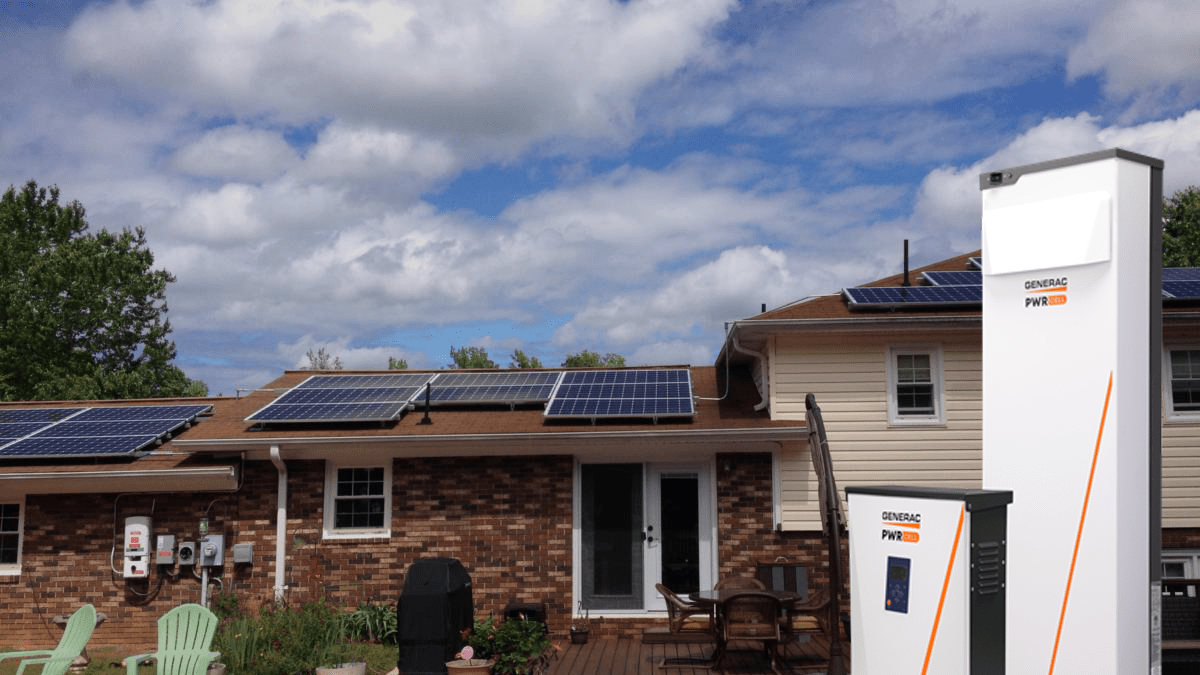
Why are solar systems with batteries becoming so popular in Georgia?
Written by Sarah Lozanova
2020 was an excellent year for solar energy in Georgia. As power rates increase, solar electricity is becoming more and more appealing to home and business owners. In addition, interest in solar batteries has skyrocketed in the last several years.
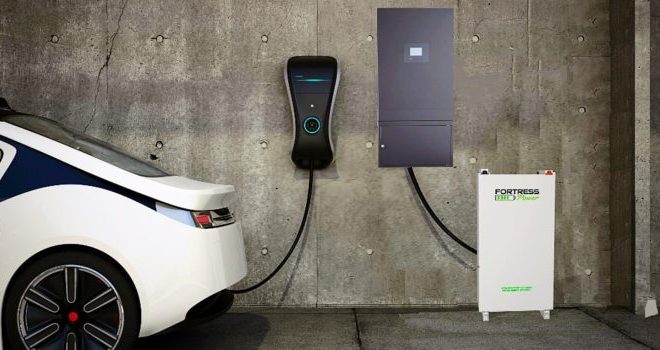
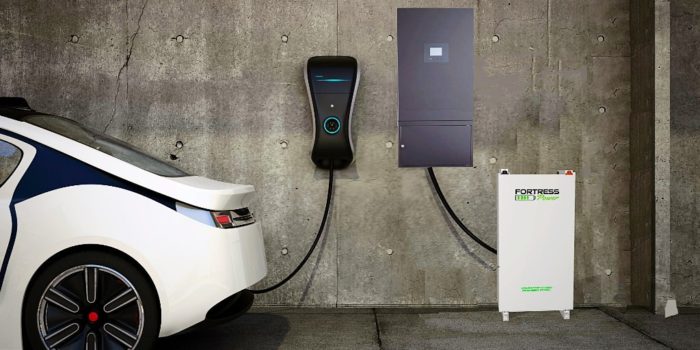
Having a solar system with a battery bank allows your home to have energy during grid outages. A solar-powered home without batteries will not have electricity during an outage due to safety issues. Over the last year or so, there have been several widespread grid outages across the country, which has increased interest in emergency power. Also, solar system owners can take advantage of time-of-use rates with Georgia Power, resulting in larger utility bill savings.
Why install solar batteries?
Our homes and businesses are designed to have electricity. During outages, food in the refrigerator and freezer can spoil, basements can flood if a sump pump fails, and even pipes can freeze. Power outages can also reduce our productivity if we cannot use the internet, communication equipment, or electronics. Having a solar battery bank enables your home to have electricity, even when your nearest neighbors do not.
Installing solar batteries also allows you to save more on your Georgia Power bill. The utility company offers time-of-use rates, and you can opt-in to this program. This means Georgia Power will charge a higher rate during times of peak demand and a lower rate during off-peak demand.
In Atlanta, you could save $.05 per kilowatt-hour for electricity consumed during off-peak times. With a solar battery, you can draw from the battery during peak pricing, saving money.
How do solar systems with batteries work?
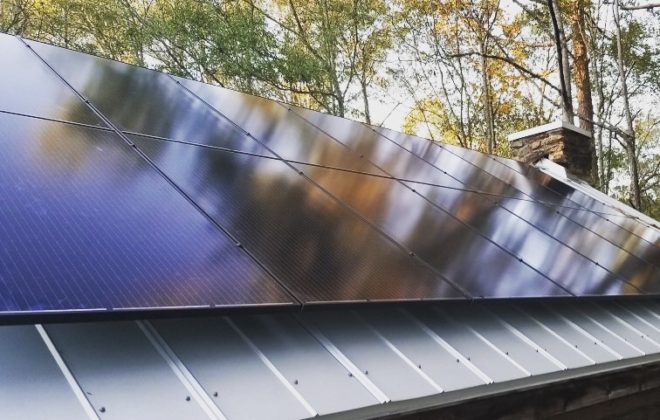
Installing a solar battery enables your home or business to store the energy your solar panels produce. When the sun sets, you can draw from either your solar battery bank or the utility grid.
When your solar PV panels are creating more electricity than your home is using, you have two options:
- Charge your battery bank or
- Feed the electricity to the grid and receive credits on your bill.
Net energy metering (or net metering) is a program where Georgia Power or other utility companies provide credits for delivering surplus solar power to the utility grid. If your solar system has batteries, you can take advantage of net metering or charge your batteries. This depends on how the system is configured.
At Solar Plus, our solar installers have extensive experience installing solar panel systems with batteries. We can configure your system to optimize utility savings so you can virtually eliminate your power bills! To learn more about going solar, request a solar survey today!
How can I have electricity during a power outage?
The two main options are a solar PV system with batteries or installing a whole house generator.
Solar energy systems with batteries
If you install a solar panel system with batteries, you will have power even during blackouts. Your solar panels charge the battery bank, keeping the lights on even during a multi-day outage.
At Solar Plus, we install high-performance lithium-ion batteries with long warranties. They do not require any ongoing maintenance and will automatically draw power as needed during an outage. This means that your lights won’t even flicker, and you won’t need to reset your clocks. In fact, you may not even realize there is a grid outage until you notice that all the lights are out in your neighborhood except in your home!
Whole house generators
Generators are engine-powered machines that use fuel to generate electricity. Whole-house generators are stationary and feed power directly to the electrical panel. They either start automatically after a short delay (less than 30 seconds), or residents need to start them manually.
Whole house generators come in numerous sizes and models, depending on the home’s energy needs and budget. Unfortunately, they require a fuel source, such as diesel, liquid propane, or natural gas. Generators need to be serviced periodically to change the oil, spark plugs, and air filter, making them more expensive to own.
The cost of such generators varies widely, but they start at several thousand for the unit, plus professional installation can cost thousands. Often, the upfront cost of a generator is less than a solar system with batteries, but there are higher maintenance and fuel costs. Also, there is a solar tax credit available 26% of the total system cost, but not for generators.
Because generators rely on fuel, it is possible to have a fuel shortage during a power outage. However, suppose you want to be able to power all of your appliances, including the most power-hungry among them (air conditioning, electric water heaters, the oven, etc.). In that case, an adequately sized generator could get the job done better than solar batteries.
Unfortunately, generators produce no value when the grid isn’t down, which is more than 99% of the time. By contrast, a solar system reduces your power bill each day, even during cloudy weather. Generators run around the clock during an outage and can also be very noisy, even exceeding community noise ordinances. It is essential to carefully locate a generator outside away from doors and windows because it produces emissions that can otherwise pollute home air.
What causes power outages in Georgia?
Georgia does have a relatively stable grid and ranks #35 in grid reliability. According to Georgia Power, the most common cause of outages is related to trees. Although we certainly love trees, a broken limb or even a branch touching a power line can cause an outage. Other common causes are animals (often squirrels), snow and ice, vehicle accidents, and lightning.
Climate scientists warn that as the effects of climate change intensify, power outages may become more common in the future because extreme weather events cause many outages.
Can solar batteries save money?
Yes, they can in a couple of different ways. One way is being able to take advantage of lower time-of-use rates with Georgia Power. If your home has a heating system, such as a gas furnace or boiler that requires a little electricity to run, the solar batteries can provide this electricity. In some cases, this can prevent pipes from freezing, but this is a relatively rare problem in Atlanta.
Solar batteries can also help prevent basements from flooding if you have a sump pump. Many homes also need to throw a lot of food away after a prolonged power outage due to the refrigerator shutting down. Also, emergency supplies, such as flashlights, candles, a camping stove, battery packs, etc., can add up. Having a solar battery eliminates the need for many or all of these supplies.
Do solar systems with batteries qualify for the solar tax credit?
Yes, the solar tax credit does include the cost of the battery. A federal tax credit is a dollar-for-dollar reduction in federal income taxes owed to the government. In 2021 and 2022, it is 26% of the total system cost (including the equipment and labor).
The Solar Plus team has installed many solar systems with batteries throughout Georgia and across the United States. Our solar panel installation team has licensed electricians and NABCEP-certified solar installers.