Are Solar Panels Recyclable?
Written by Sarah Lozanova
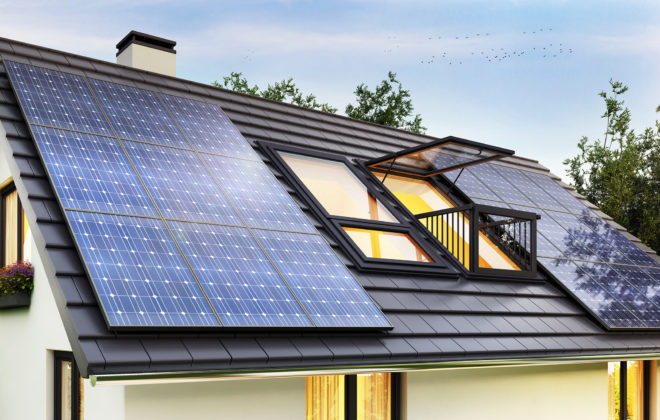
Many Solar Plus customers install solar panels partially because they want to benefit the environment. Therefore, many of them wonder if the modules are recyclable at the end of their lifespan. The simple answer is yes, PV panels are recyclable, but let’s dive into this topic to understand it better. Unfortunately, some hurdles make solar panel recycling relatively uncommon.
Why is solar panel recycling important?
According to the Solar Energy Industries Association, there are now enough solar systems installed in the United States to power 18.6 million homes. In Georgia Power’s territory alone, it is expected there will be enough solar energy capacity to power 450,000 homes by the end of 2022. The design life of a solar panel is about 25 to 30 years. Over time, solar panels gradually become less efficient in generating solar electricity.
Considering how many solar PV systems are in operation, creating a solar panel recycling infrastructure that can process these materials is critical. Because most solar power systems in operation today were installed in the last decade, this system needs to be in place in the next fifteen to twenty years. Unfortunately, most solar panels are not recycled today and therefore end up in landfills.
Without proper disposal, toxic compounds can leach down, polluting the groundwater. Also, many materials can be reused in new solar panels or other products. In addition, solar panel recycling helps make the industry as a whole greener, so we can all enjoy clean energy.
What materials are in solar panels?
Let’s learn a little bit about solar panels to understand how solar panel recycling works. Silicon-based panels contain glass, plastic, aluminum, and silicon. In addition, they include small amounts of trace compounds, including lead.
How are solar PV panels recycled?
First, recyclers must disassemble the panels to remove the glass and metal components in the frame and junction box. The leftover materials are not very valuable and are then downcycled into low-value products. Material recovery rates in solar panel recycling are usually around 85% to 90%, and there is weak demand for the recycled materials. Unfortunately, this makes solar panel recycling less appealing for processors because it is not currently highly lucrative.
Why is solar recycling not more widespread?
There are several reasons that solar panel recycling is relatively rare today. First, solar panels are fairly difficult to recycle. They need to be dissembled, and this is somewhat expensive. To boost recycling rates, manufacturers need to consider end-of-life and how to make their products easy and cost-effective to recycle.
Also, there are currently no national policies for solar panel recycling, and there is not an adequate recycling infrastructure to process the solar panels decommissioned today. Some states have created their own policies. For example, California has designated solar panels as hazardous waste, thus encouraging them to be recycled. Also, Washington puts the responsibility to recycle solar panels on the manufacturer, which could help encourage them to design more easily recyclable products.
How can recycling be improved?
Whenever possible, it is helpful to extend the life of solar panels by refurbishing them, similar to many other electronics like cell phones. Generally, reuse is better for the environment than recycling. Refurbishing panels also create opportunities to purchase more affordable solar panels, helping homes go solar that might not afford the equipment otherwise. Also, solar panels that can not be repaired or refurbished can be used as building materials for agricultural buildings, such as in walls or roofs.
In addition, it would be helpful to increase the recovery rate of solar materials in the recycling process. One way to achieve this is by directly reusing materials in the frame, PV cells, and glass. This helps conserve resources and energy.
In Georgia, there are many R2-certified electronics recyclers that responsibly recycle electronics. Ideally, these same experienced recyclers can help Georgians process solar panels when solar PV systems are decommissioned. This could help create jobs, reduce waste, and ensure a cleaner environment for future generations.
As Solar Plus, we are dedicated to protecting the environment. In fact, our owner Don Tonic started Solar Plus to help make sustainable energy available throughout the Atlanta area.
To learn more about installing solar panels on your property, contact Solar Plus today!